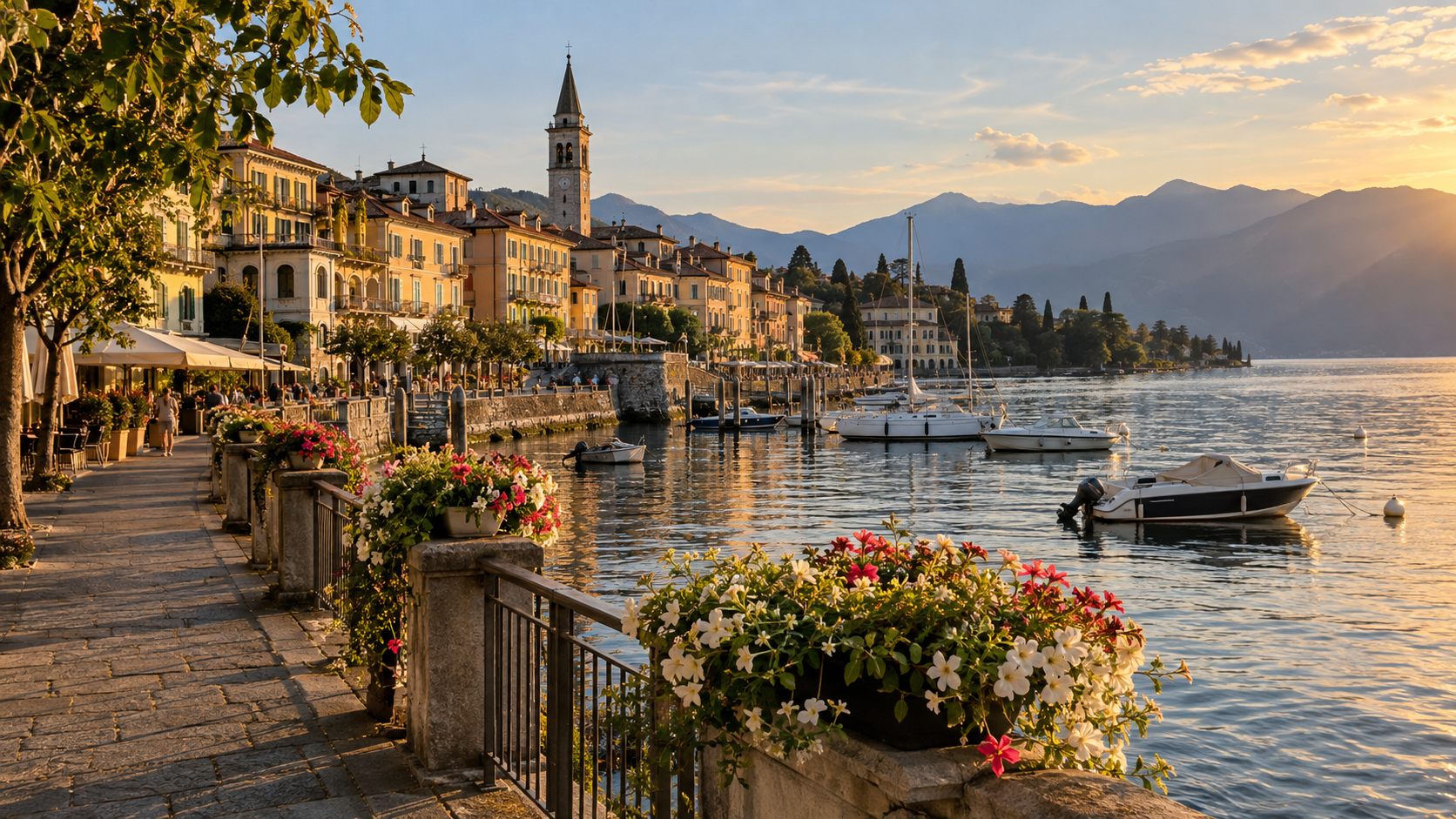
Home in Italy means much more than simply owning a property. It is about culture, landscape, design and a different way of experiencing everyday life.
People fall in love with the light on an old stone wall. A morning coffee at the same neighborhood bar. A local market. Dinner outside on a summer evening. The view of a lake, a mountain or a historic village from an open window.
My name is Alberto Mosini, and after more than two decades working with properties, renovations and international clients, I have come to understand that one of Italy’s greatest strengths is something very difficult to describe in a traditional property listing.
It is our culture of living.
For me, architecture, food, craftsmanship, art, materials, landscape and relationships are not separate elements. In Italy, they often become part of the same experience.
Buying a home in Italy is not simply a real estate decision. It is a decision about how you want to live.
01
Buying a Home in Italy Means Buying Into a Place
One of the first things I try to explain to my international clients is that, in Italy, a home is rarely disconnected from the place around it.
A property on Lake Maggiore is not simply the building itself.
It is the changing light on the water. The mountains in the distance. The garden. The ferry crossing the lake. The small restaurant nearby. The weekly market. The historic center you can reach on foot.
These are details that do not appear on a cadastral plan or in the number of square meters, but in my experience they often become some of the most important reasons people fall in love with a property.
A great property is not only a place you own. It is a place that changes the way you experience everyday life.
02
Materials That Carry a Story
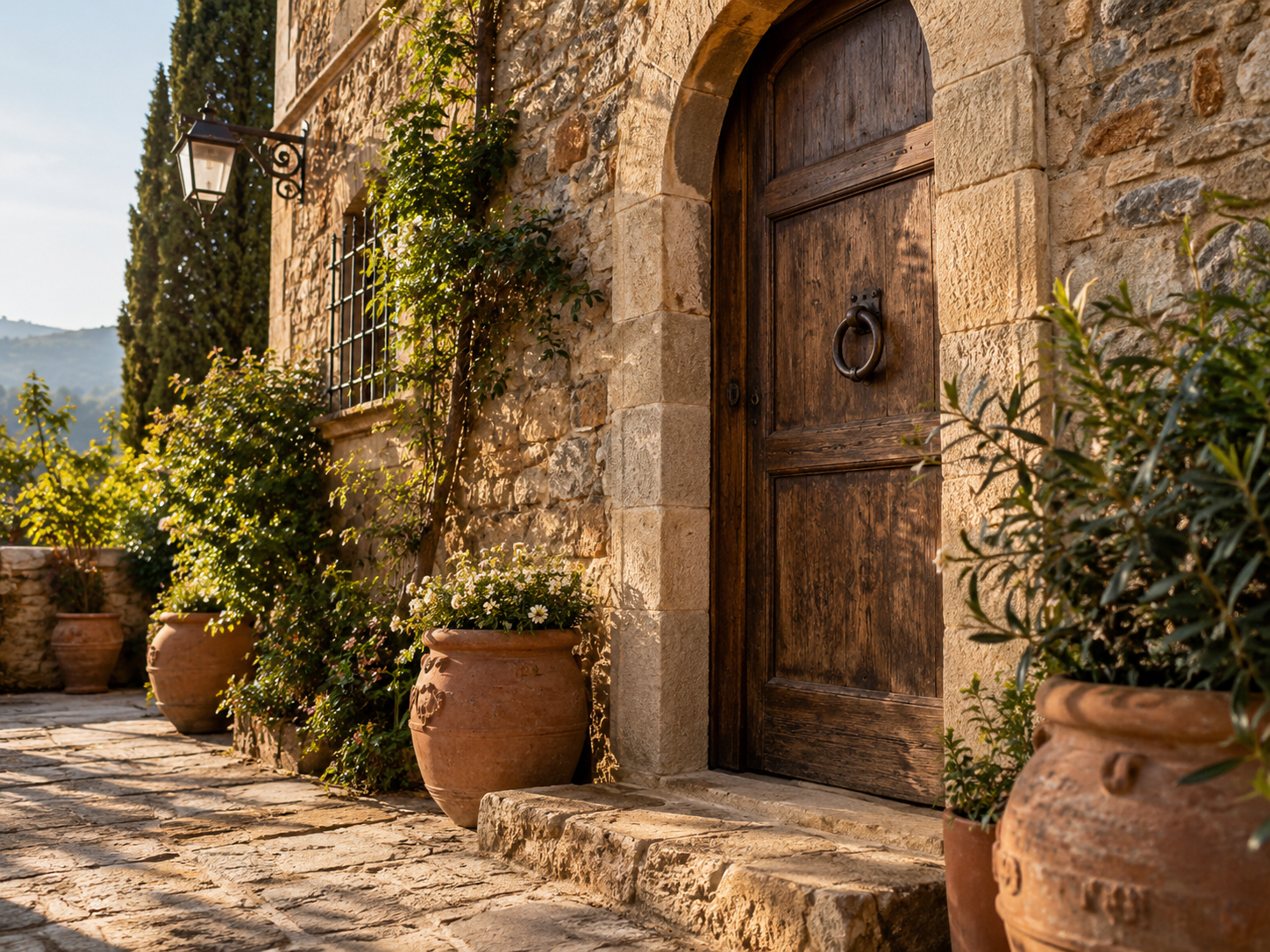
Stone. Wood. Marble. Terracotta. Iron. Ceramic.
Italian architecture has always had a strong relationship with materials, and this is something I pay particular attention to when I first enter a property.
An original stone wall, an old staircase, timber beams or a traditional floor are not simply decorative details. They may be part of the identity of the building.
Of course, not everything old needs to be preserved. A house also has to work for contemporary life.
But I do not believe that everything new is automatically an improvement.
When I evaluate a renovation, I always try to understand what deserves to remain, what needs to change and how the two can work together.
The goal is not to make an old house look new. The goal is to give it a new life without erasing the life it had before.
03
Creating a Home in Italy Through Italian Craftsmanship
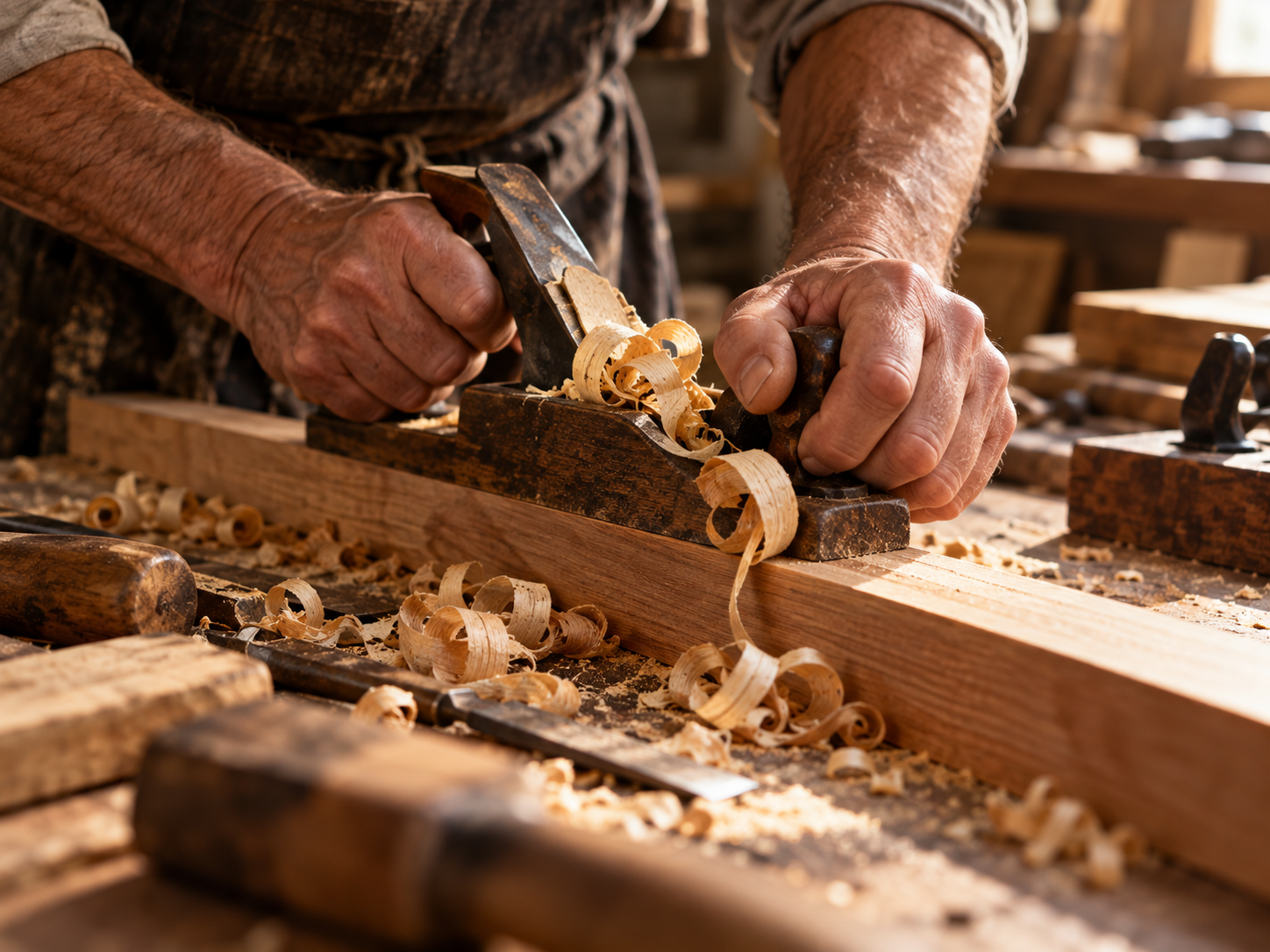
One of the things I enjoy introducing international clients to is the world of Italian craftsmanship.
Carpenters, blacksmiths, stone workers, upholsterers, tile setters and restorers are still an important part of our building culture.
This tradition belongs to the wider world of
Made in Italy craftsmanship and innovation
.
Sometimes the best solution is not to adapt a house to something taken from a catalog.
Instead, we create something specifically for that house.
A piece of furniture can follow an irregular wall. A carpenter can work around the proportions of an old room. A blacksmith can create something that feels as though it has always belonged to the building.
When architects, designers, contractors and artisans understand the project and work together, the result has a character that is very difficult to reproduce with standardized solutions.
04
Italian Design for a Home in Italy
Italian design is famous throughout the world, but for me its real value goes beyond appearance.
The
ADI Design Museum in Milan
is one of the places that tells the story of this relationship between creativity, function and Italian design culture.
I have always believed that good design has to create a relationship between beauty and function.
A kitchen can be beautiful, but it must also work. A window can be technically perfect, but it can also frame a landscape.
The position of a dining table, the lighting above it or the connection between a living room and a terrace can completely change the way a house is experienced.
Beautiful architecture attracts our attention. Good architecture makes everyday life better.
05
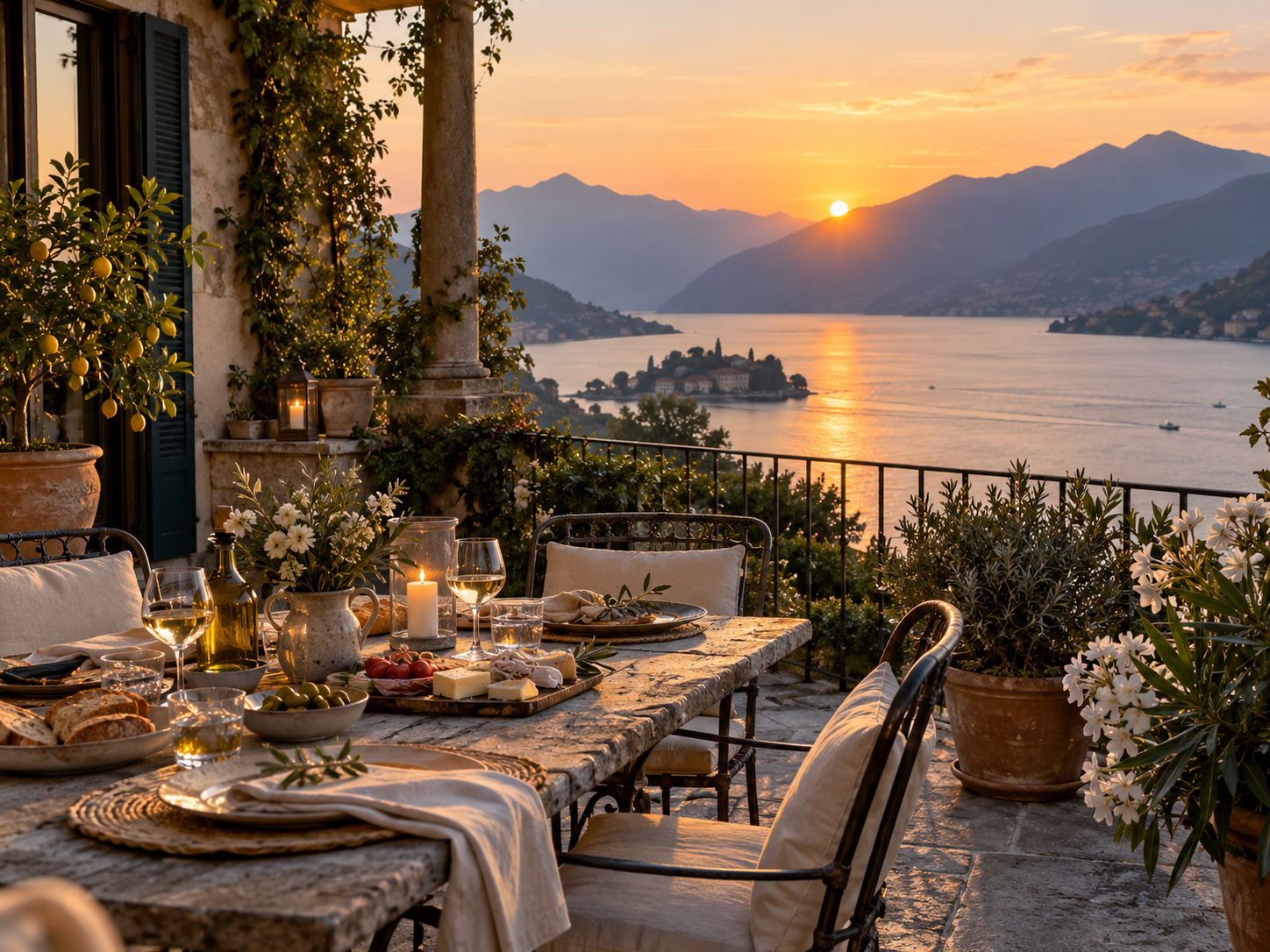
The Italian Table Is Part of the Home
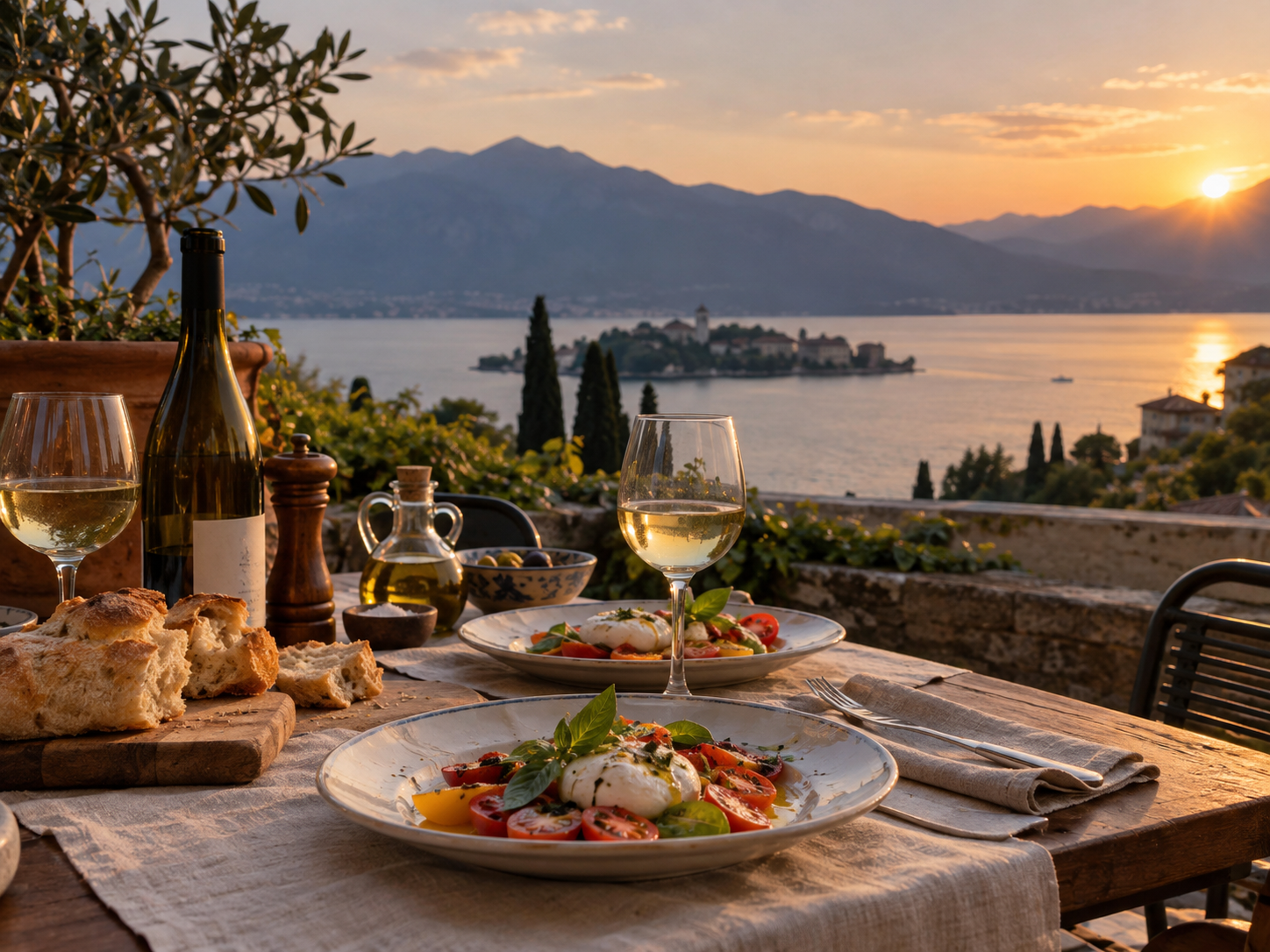
It would be impossible for me to describe the Italian way of living without talking about food.
But this is not simply about Italian cuisine.
Italy’s
food and wine culture
is deeply connected to regional traditions, local products and the social experience of sharing a meal.
The kitchen and the dining table are often the social heart of an Italian home.
This relationship becomes especially beautiful around Lake Maggiore.
A terrace overlooking the lake may completely change the way a house is used.
Lunch becomes longer. Dinner moves outside. Friends stay a little later.
And this is something I often see happen naturally when foreign clients begin spending more time here.
06
In Italy, Art Is Not Confined to Museums
One of the privileges of living in Italy is that beauty is often part of ordinary life.
You do not necessarily have to enter a museum to experience it.
Italy has an extraordinary concentration of cultural heritage, with many places recognized by
UNESCO
.
It can be the facade of a small church you pass every morning. A centuries-old doorway. The proportions of a piazza. An old villa hidden behind a wall. Or simply the view across the lake at the end of the day.
Living here for a long time can almost make these things feel normal. Working with international clients has often reminded me how extraordinary they actually are.
Italian beauty is not always something you visit. Sometimes it is simply something you live with every day.
07
A Different Definition of Luxury
Over the years, my idea of luxury in real estate has changed.
Luxury does not necessarily mean a larger villa, more bedrooms or more expensive finishes.
For me, real luxury is increasingly about quality.
Quality of space.
Quality of materials.
Quality of landscape.
And perhaps most importantly, quality of time.
For many of the international clients I work with, the real privilege of having a home in Italy eventually becomes surprisingly simple.
Walking instead of driving. Buying food from local producers. Having a favorite café. Recognizing the people around you. Opening a window in the morning and seeing Lake Maggiore. Watching the landscape change through the seasons.
Luxury is not always having more. Sometimes it is having the time and the place to enjoy more deeply what you already have.
08
Preserving the Past in a Home in Italy
Italy has an extraordinary architectural heritage, but historic buildings also come with responsibilities.
Electrical systems, heating, insulation, windows, bathrooms and interior layouts often need to be completely reconsidered.
For me, respecting the character of a building does not mean refusing progress.
The challenge is to understand how to introduce contemporary comfort without destroying the qualities that made the property interesting in the first place.
This approach has guided me in renovation projects on Lake Maggiore, including a
renovation project in Suna
.
The property began as an early-1900s fisherman’s house and was later used as a blacksmith’s workshop.
A building like that already has a story. My job is not to erase it. It is to understand how the next chapter can be written.
The most interesting renovation is often a conversation between what a building was and what it can become.
Buying a Home in Italy as an International Client
There is, of course, another side to the dream.
Buying or renovating a property in another country can become complicated very quickly.
Different procedures, language, planning regulations, technical documents, contractors, utilities and local habits can create uncertainty, especially when the owner lives abroad.
This is where I believe my role becomes particularly important.
When I work with an international client, I do not want simply to show them properties and complete a transaction.
I want them to understand what they are buying: its potential, its limitations, its history, the work it may require, the real costs involved and, above all, whether that property can realistically become the home they are imagining.
My role as Alberto Mosini is to remain a local point of reference throughout that process: from property search and acquisition to renovation, practical assistance and the management of the home afterwards.
Through
ITAlink Home services
,
I can support clients through the different stages of creating and managing their property in Italy.
Because when someone decides to create a life in another country, having one person locally who understands the project as a whole can make an enormous difference.
Italy is not simply somewhere you buy a home.
It is somewhere you learn to live differently.
Thinking About Creating Your Own Home in Italy?
If you are considering a home in Italy, particularly on Lake Maggiore or in Northern Italy, I believe the property itself is only the beginning of the journey.
The right home should connect you with the place, the culture and the life you want to create here.
Every client arrives with a different idea. Some are looking for a second home. Some want to renovate an old property. Others simply know that they want a different rhythm of life, but they have not yet found the place that represents it.
For me, every project begins there.
By understanding that vision.